Integrating Pulsar Technology with Proportional Valve Drivers for Advanced Control
Understanding Pulsar Technology in Hydraulic Systems
Introduction to Pulsar Technology
Pulsar technology revolutionizes hydraulic systems by providing precise control over fluid dynamics. This innovation employs electronic signals to manipulate hydraulic valve positions, leading to enhanced efficiency and responsiveness. A typical application involves the integration of a proportional valve driver that receives commands from a controller, translating them into specific valve positions. This technology ensures that the performance of hydraulic systems meets the demands of modern industrial applications, providing smoother operation and better energy management. The use of pulsar technology in hydraulic systems is particularly advantageous in sectors like manufacturing, construction, and agriculture, where precision and reliability are paramount.
The Role of Pulsar in Proportional Control
Pulsar technology plays a crucial role in proportional control mechanisms. Unlike traditional on/off systems, proportional control allows for variable adjustments based on real-time conditions, which is vital for proportional valve electronics applications requiring delicate balance and control. By utilizing analog signals, pulsar technology enables smooth transitions in valve positions, allowing for gradual changes in flow rates and pressure. This results in improved system performance and reduced wear on components. By integrating pulsar technology with proportional valve drivers, operators can achieve enhanced control and monitoring, making it easier to manage complex hydraulic systems effectively.
Pulsar Integration with Hydraulic Valves
Integrating pulsar technology with hydraulic valves enhances their functionality significantly. The pulsar system communicates with valves through a series of electrical signals, enabling accurate adjustments based on system requirements. This integration often involves the use of solenoid valves, which respond to the pulsar signals to adjust flow rates dynamically. The seamless communication between the pulsar and the valve creates an ecosystem where operators can monitor performance and make necessary adjustments in real-time. This level of integration not only improves operational efficiency but also extends the lifespan of hydraulic components by reducing the frequency of abrupt changes in pressure and flow.
Designing Proportional Valve Drivers
Choosing the Right Components: PCB and Amplifiers
Designing a reliable proportional valve driver begins with selecting the right components, particularly the printed circuit board (PCB) and amplifiers. The PCB serves as the backbone of the driver, connecting various electronic components and ensuring efficient signal flow. Choosing a high-quality PCB is essential for minimizing noise and maximizing signal integrity. Amplifiers play a critical role in boosting the low-level signals received from the controller to levels sufficient to operate the valves effectively. Selecting amplifiers with appropriate voltage and current ratings is vital, as they directly influence the responsiveness of the proportional valve driver. Investing in robust components leads to a more stable and efficient control system.
USB Interface for Easy Connectivity
Incorporating a USB interface into the design of proportional valve drivers simplifies connectivity and enhances user experience. This feature allows for easy integration with computers and control systems, enabling quick setup and configuration. A USB interface facilitates data transfer and communication, making it easier to monitor performance and adjust settings remotely. Additionally, it supports firmware updates, ensuring the driver remains compatible with evolving technology standards. The convenience of USB connectivity streamlines the entire process, from initial installation to ongoing maintenance, making it an attractive option for engineers and technicians working with hydraulic systems.
Utilizing H-Bridge Configurations for Control
H-bridge configurations are essential for controlling the direction of current flow in proportional valve drivers. This configuration enables the driver to control both the opening and closing of the valve by reversing the current direction as needed. H-bridges provide flexibility in operation, allowing for precise adjustments in valve positioning. By utilizing H-bridge drivers, engineers can achieve finer control over valve actuation, enhancing the overall performance of hydraulic systems. This approach is particularly beneficial in applications requiring rapid response times and accurate positioning, such as robotics and automated manufacturing processes.
Implementing Advanced Features in Proportional Valve Drivers
Incorporating Potentiometers for Precision Control
Including potentiometers in proportional valve drivers significantly enhances control precision. Potentiometers serve as adjustable resistors that allow users to set specific control signals based on desired flow rates or pressures. By integrating these components, operators can achieve precise adjustments, tailoring the hydraulic system's performance to meet specific demands. This feature is particularly useful in applications where minute variations can lead to significant performance improvements, such as in agricultural machinery or CNC machines. The ability to fine-tune settings through potentiometers ensures that operators maintain optimal performance levels while minimizing energy consumption.
Utilizing NFC for Communication with Valves
Near Field Communication (NFC) technology introduces a cutting-edge method for communicating with hydraulic valves. This wireless communication protocol allows for quick and effortless data transfer between the valve and the control system. By incorporating NFC into proportional valve drivers, users can easily configure settings, monitor performance, and execute diagnostic checks without cumbersome wiring. This feature enhances the flexibility and adaptability of hydraulic systems, enabling operators to respond swiftly to changing conditions. NFC technology, when combined with traditional control methods, creates a robust framework for modern hydraulic applications, ensuring seamless operation and enhanced user interaction.
Integrating Digital Displays for User Feedback
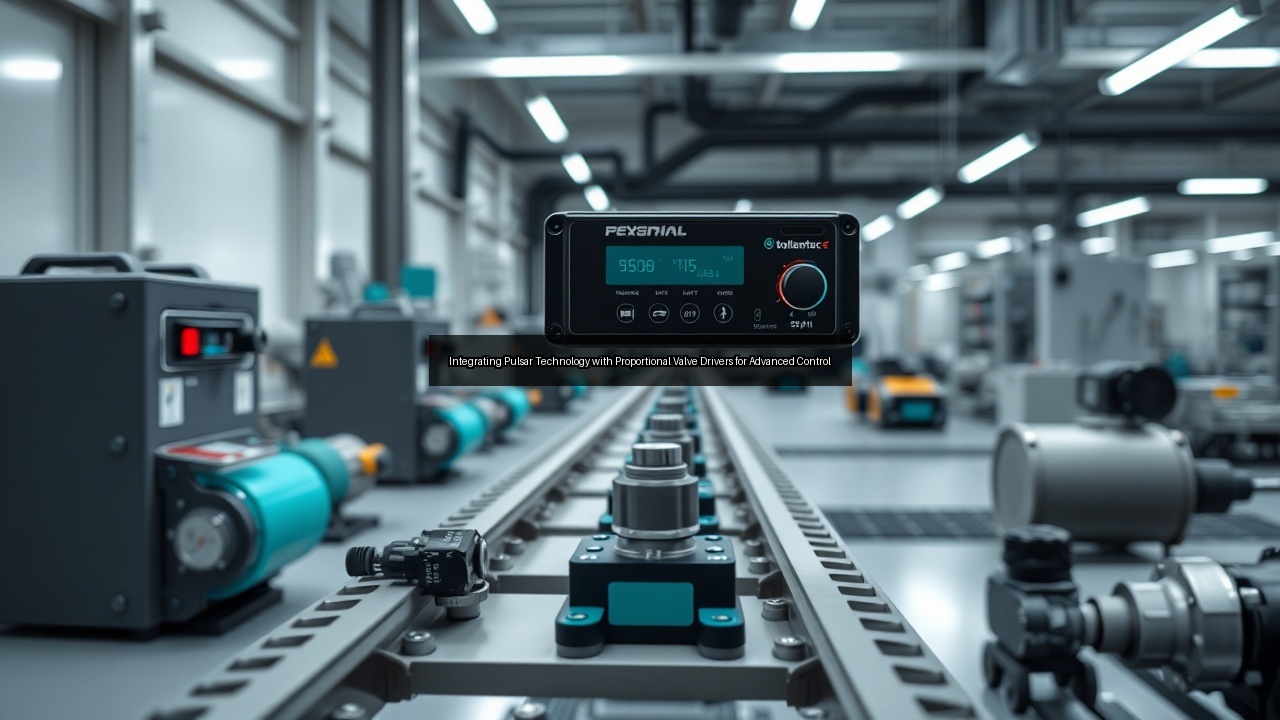
Integrating digital displays into proportional valve drivers provides critical user feedback, enhancing the overall control experience. These displays can show real-time data such as flow rates, pressure levels, and system status, allowing operators to make informed decisions quickly. Digital displays with four LED indicators can signify various operational states, providing a visual cue for users to assess system performance at a glance. This feedback loop is invaluable in maintaining optimal operation and preventing potential issues before they escalate. By prioritizing user interface design, manufacturers can create intuitive systems that empower operators to achieve peak performance in hydraulic applications.
Frequently Asked Questions about Proportional Valve Drivers
Common Issues and Troubleshooting Tips
When working with proportional valve drivers, users may encounter common issues such as signal loss, erratic valve movement, or unexpected system behavior. Troubleshooting these problems typically begins with checking the connections between the valve and the driver. Ensuring that all cables are securely fastened can resolve many connectivity issues. Additionally, inspecting the power supply for adequate voltage is crucial; low voltage can lead to inadequate performance. If problems persist, reviewing the configuration settings for potential mismatches with the valve specifications can help identify the root cause. A systematic approach to troubleshooting ensures that operators maintain optimal control over their hydraulic systems.
Understanding SAE J1939 Communication
SAE J1939 serves as a standard for communication in heavy-duty vehicles and equipment, laying the groundwork for efficient data exchange between components, including proportional valve drivers. Understanding this protocol is essential for engineers designing systems that require interoperability among various devices. SAE J1939 utilizes a CAN bus, enabling multiple devices to communicate over a single network, which reduces wiring complexity and enhances reliability. Proper implementation of this standard ensures that proportional valve drivers can seamlessly integrate into larger hydraulic systems, facilitating efficient proportional control valve driver operation and real-time data monitoring. Familiarity with SAE J1939 is crucial for optimizing performance in North America’s industrial landscape.
Comparative Analysis: Axiomatic vs. Atos Solutions
Axiomatic and Atos represent two leading players in the market for proportional valve electronics. Axiomatic’s solutions focus on offering a wide range of customizable options, allowing users to tailor systems to their specific needs. Their products often feature advanced communication capabilities and robust diagnostics. In contrast, Atos emphasizes reliability and ease of use, providing straightforward solutions designed for quick integration into existing systems. Both manufacturers offer unique advantages; Axiomatic appeals to those seeking flexibility, while Atos attracts users looking for proven performance. Understanding these differences helps engineers select the right proportional valve driver for their hydraulic applications, ensuring optimal functionality and compatibility.