The Intersection of Technology and Outsourced Assembly Services
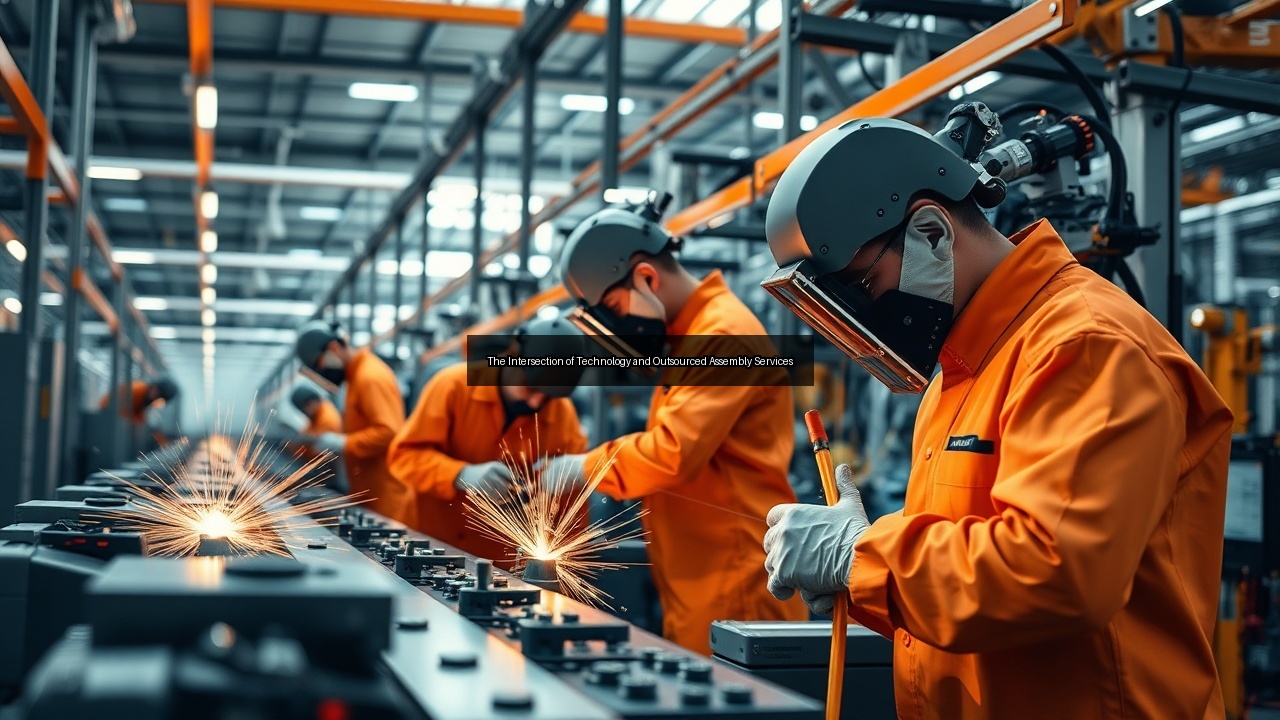
Understanding the Role of Technology in Outsourced Assembly Services
The Evolution of Assembly Lines in Manufacturing
The assembly line has undergone significant transformation since its inception in the early 20th century. Initially designed to streamline production and enhance efficiency, assembly lines have evolved into sophisticated systems integrating advanced technology. With the rise of outsourced assembly services, manufacturers have embraced these innovations to optimize their processes further. Today’s assembly lines utilize a mix of traditional methods and cutting-edge technologies to improve reliability and reduce waste.
Modern assembly lines incorporate modular designs that allow for flexibility in manufacturing. This adaptability is crucial for businesses that need to pivot quickly in response to market demands. Outsourced assembly services often leverage these advanced setups, enabling companies to produce goods efficiently without the overhead of maintaining their own extensive facilities. As a result, manufacturers can focus on their core competencies while relying on specialized partners to handle production.
The integration of technology into assembly lines also facilitates real-time data collection. This data aids in monitoring performance metrics, identifying bottlenecks, and improving overall efficiency. Furthermore, the transition from manual to automated processes has resulted in higher consistency in product quality, making it easier to uphold standards in quality control. In essence, this evolution positions outsourced assembly services as a cornerstone of modern manufacturing strategies.
Integrating Advanced Technologies: Robotics and Automation
Robotics and automation play pivotal roles in enhancing the capabilities of outsourced assembly services. These technologies not only boost production rates but also ensure precision and safety, crucial factors in manufacturing. Robots can perform repetitive tasks with a level of accuracy that far surpasses human capabilities, particularly in areas such as welding and fabrication. This precision significantly reduces the incidence of defects, which is essential for maintaining high standards of quality control.
Automation systems simplify complex processes, allowing for seamless integration between different stages of production. This interconnectedness minimizes downtime and maximizes output, which is particularly beneficial in industries with tight deadlines, such as automotive manufacturing. The ability to quickly adapt to new product designs or changes in consumer preferences is vital in today’s fast-paced market.
Moreover, the implementation of smart technologies, such as AI-driven analytics, further enhances the efficiency of outsourced assembly services. These systems analyze vast amounts of data to predict potential issues before they arise, allowing for proactive adjustments that keep production on track. As businesses continue to embrace these innovations, the future of outsourced assembly will likely see even greater reliance on robotics and automation, solidifying their importance in modern manufacturing.
Impact of Technology on Quality Control and Inspections
Quality control and inspections are critical components in the manufacturing process, particularly in outsourced assembly services. Technology has revolutionized these aspects, leading to more efficient and accurate evaluations of products. Automated inspection systems utilize advanced imaging technologies and machine learning algorithms to identify defects that human inspectors might miss. This level of scrutiny ensures that products meet stringent quality standards before reaching the market.
Additionally, real-time monitoring systems collect data throughout the assembly process, enabling manufacturers to track performance metrics continuously. This capability allows for immediate corrective actions if deviations from quality standards occur. By leveraging advanced technologies for quality control, companies can significantly reduce waste and enhance reliability in their production processes.
The implementation of digital twins—virtual replicas of physical products and processes—has also transformed quality assurance. These models enable manufacturers to simulate various scenarios and identify potential issues before they affect production. By using these insights, outsourced assembly services can refine their operations and ensure that only the highest quality products are delivered to clients.
In summary, the integration of technology into quality control and inspections not only improves product reliability but also enhances the overall efficiency of outsourced assembly services, establishing a new benchmark for excellence in manufacturing.
Benefits of Outsourcing Assembly Services in Various Industries
Enhancing Reliability and Reducing Waste in Production
Outsourcing assembly services offers several benefits, foremost among them enhanced reliability and reduced waste in production. Companies that choose to outsource can tap into specialized expertise and advanced technologies that they may not possess in-house. This specialization often leads to more reliable production outcomes, as outsourced partners bring experience and innovation to the table.
By leveraging the capabilities of outsourced assembly services, manufacturers can streamline their operations and reduce the amount of waste generated during production. Specialized partners often implement lean manufacturing principles, focusing on minimizing excess materials and maximizing efficiency. This approach not only lowers costs but also has a positive impact on sustainability efforts, aligning with corporate social responsibility goals.
Furthermore, outsourcing assembly allows companies to focus on their core business functions, such as product development and marketing. This shift in focus can foster innovation and creativity, as resources are freed up to explore new ideas and market opportunities. Overall, the reliability derived from outsourcing, combined with waste reduction strategies, contributes to a more robust manufacturing ecosystem.
Time-to-Market: Accelerating Product Launches in Automotive and Beyond
Time-to-market is a critical factor in today’s competitive landscape, especially in industries like automotive where innovation drives success. Outsourced assembly services can significantly accelerate product launches by streamlining production processes and leveraging specialized expertise. By partnering with experienced assembly providers, companies can decrease lead times and ensure that their products reach consumers faster.
This acceleration is particularly vital in the automotive sector, where consumer preferences shift rapidly, and technological advancements demand quick adaptation. Outsourced assembly services allow automotive manufacturers to scale production up or down based on market demand without the burden of maintaining extensive in-house facilities. This flexibility not only shortens time-to-market but also enhances a company’s ability to respond to changes in consumer behavior.
Moreover, the integration of advanced technologies in outsourced assembly processes contributes to faster production cycles. Automation and robotics reduce manual labor times and increase throughput, enabling companies to bring new products to market more efficiently. As a result, businesses can secure a competitive edge by launching innovative products ahead of their rivals, capturing market share and driving growth.
Best Practices for Selecting Outsourced Assembly Partners
Selecting the right outsourced assembly partner is a crucial decision that can significantly impact a company’s manufacturing success. Organizations should consider several best practices to ensure they choose a partner that aligns with their goals and requirements. First, conducting thorough research on potential partners is essential. Evaluating their track record, expertise, and technological capabilities can provide valuable insights into their reliability and performance.
Next, consider the partner’s experience in your specific industry. Different sectors have unique challenges and standards, and partnering with a provider familiar with these nuances can streamline the collaboration process. Additionally, assessing their commitment to quality control is paramount. Look for partners that implement robust quality assurance protocols, as this will help ensure that the final products meet or exceed industry standards.
Open communication is another vital aspect of a successful partnership. Establishing clear lines of communication early on fosters collaboration and minimizes the potential for misunderstandings. Moreover, consider partners that demonstrate a willingness to innovate and adapt to your changing needs. The ability to pivot quickly in response to market demands is essential for maintaining competitiveness in today’s fast-paced landscape.
By adhering to these best practices, companies can make informed decisions when selecting outsourced assembly partners, ultimately enhancing their manufacturing capabilities and achieving greater success in the market.
Challenges and Solutions in the Outsourced Assembly Process
Overcoming Quality Assurance Issues in Fabrication and Welding
Quality assurance challenges often arise in outsourced assembly services, particularly in areas like fabrication and welding. Inconsistent quality can lead to defects that compromise product performance and damage a company’s reputation. Addressing these quality assurance issues requires proactive measures and strategic partnerships. First, establishing clear quality standards and expectations with outsourced partners is crucial. This clarity helps ensure that everyone involved understands the requirements and commits to meeting them.
Implementing regular audits and inspections throughout the production process can also help identify potential quality issues before they escalate. These inspections should focus on critical areas such as welding and fabrication, where precision is vital. Utilizing advanced inspection technologies, such as ultrasonic testing and X-ray imaging, can enhance the accuracy of these evaluations and ensure adherence to quality standards.
Additionally, fostering a collaborative relationship with outsourced partners promotes a culture of quality. Engaging in ongoing training and development initiatives can equip workers with the skills needed to maintain high standards in fabrication and welding. By prioritizing quality assurance throughout the outsourced assembly process, companies can mitigate risks and deliver reliable products to their customers.
Ensuring Effective Packaging and Logistics Management
Effective packaging and logistics management are essential components of the outsourced assembly process. Poor packaging can lead to product damage during transit, while inefficient logistics can result in delays that undermine time-to-market. To navigate these challenges, companies must prioritize robust packaging solutions and optimize logistics strategies. First, investing in high-quality packaging materials tailored to the products being shipped is critical. Custom packaging solutions that protect against environmental factors can minimize the risk of damage and enhance customer satisfaction.
Moreover, collaborating closely with logistics partners ensures a seamless supply chain. Companies should evaluate logistics providers based on their track record, reliability, and ability to meet delivery timelines. Implementing technology-driven logistics management systems can also streamline operations, providing real-time visibility into shipment status and inventory levels.
Additionally, companies must remain agile in their logistics strategies. As market demands evolve, businesses may need to adapt their shipping methods or packaging solutions to maintain efficiency. By prioritizing effective packaging and logistics management, companies can enhance their outsourced assembly processes and ensure timely delivery of high-quality products.
Navigating the Architectural Design Considerations in Outsourcing
Architectural design considerations play a crucial role in the success of outsourced assembly services. The design of products directly influences the efficiency of the assembly process, impacting everything from material selection to manufacturing techniques. Companies must carefully evaluate architectural designs to ensure they align with the capabilities of their outsourced partners. First, engaging in early collaboration with assembly partners during the design phase can yield valuable insights. By involving them in discussions about manufacturability, companies can identify potential challenges and optimize designs for efficient assembly.
Additionally, considering the materials and components used in the design is essential. Selecting materials that are readily available and easy to work with can simplify the assembly process and reduce production costs. Furthermore, understanding the capabilities and limitations of outsourced assembly partners helps companies avoid designs that may be difficult to execute, ensuring smoother production flows.
Finally, companies should remain adaptable in their design approaches. As feedback from outsourced partners becomes available, businesses can iterate on designs to enhance manufacturability and reduce complexity. By navigating architectural design considerations thoughtfully, companies can leverage outsourced assembly services effectively, driving innovation and efficiency in their manufacturing processes.