Why Rubber Duckbill Check Valves Are the Future of Fluid Control

Introduction to Duckbill Check Valves
Understanding Fluid Control Systems
Fluid control systems rely on precise components to manage flow direction and prevent backflow in demanding environments. Engineers select duckbill check valve designs because they respond instantly to pressure changes without external power. These valves feature a simple rubber structure that opens under forward flow and seals tightly when pressure reverses. Pumps, water pumps, and piping networks benefit directly from this automatic operation. The duckbill check valve handles varying volumes efficiently while minimizing turbulence that can damage pipe walls. Operators monitor pressure drops closely, and this valve type maintains stable readings across wide operating ranges. In practice, technicians install these units in tight spaces where traditional mechanisms fail due to size constraints. Fluid dynamics improve when duckbill valves replace older gate or swing styles, reducing energy losses in continuous pump cycles. Inventory managers appreciate the low maintenance profile since rubber compounds resist corrosion from aggressive fluids. Overall, duckbill check valve technology simplifies system layouts and supports reliable performance in both industrial and municipal settings.
Importance of Check Valves in Waterworks
Waterworks facilities depend on check valves to protect pumps and maintain consistent supply lines under fluctuating demand. Duckbill check valve units excel here because their flexible lips seal completely even with debris present in raw water. Traditional valves often leak or jam, leading to costly downtime and water loss. Plant operators integrate duckbill valves into main distribution pipes to stop reverse flow that could contaminate treated supplies. Pressure surges from sudden pump shutdowns stress piping systems, yet the rubber duckbill absorbs these shocks without cracking. Water quality teams track chlorine residuals and note fewer contamination events after switching to duckbill designs. Manufacturers supply these valves in various diameters to match existing infrastructure, allowing quick retrofits without major excavation. The result appears in lower operational costs and extended equipment life for water pumps and related assets. Duckbill check valve adoption continues to rise because it delivers dependable one-way flow control essential for public health standards.
The Advantages of Rubber Duckbill Check Valves

Flexibility and Durability of Rubber Materials
Rubber compounds give duckbill check valve products exceptional flexibility that adapts to irregular flow patterns inside pumps and pipes. This material bends under low pressure yet returns to its original shape repeatedly without fatigue. Engineers choose specific elastomers to withstand temperature swings and chemical exposure common in fluid handling. The duckbill valve structure avoids metal parts that corrode, extending service intervals in harsh conditions. Technicians replace worn units quickly because the lightweight design requires no heavy lifting equipment. Durability shows in long-term tests where rubber duckbill valves outlast metal alternatives by several years. Inventory teams stock fewer spare parts since one size often fits multiple pipe diameters. Rubber resilience also reduces noise from valve operation, improving workplace conditions around water pumps. These properties make the duckbill check valve a practical upgrade for facilities seeking reliable, low-maintenance fluid control solutions.
Pressure Handling and Volume Control
Duckbill check valve assemblies manage pressure variations effectively across high-volume applications. Forward pressure opens the rubber lips smoothly, allowing full flow capacity through the pipe. When pressure equalizes or reverses, the valve closes instantly to block backflow. This response protects downstream equipment such as pumps from hydraulic shock. Volume control improves because the design maintains consistent throughput without the throttling losses seen in conventional check valves. Operators adjust system parameters confidently knowing the duckbill valve accommodates surges up to its rated limit. Field data confirms stable performance even when fluid viscosity changes seasonally. Manufacturers rate these valves for specific pressure ranges, helping planners match units to exact pump and piping requirements. The result includes fewer emergency shutdowns and better overall efficiency in continuous operations.
Comparison with Traditional Check Valves
Traditional check valves often include hinges, springs, or discs that wear rapidly under abrasive flow. Duckbill check valve models eliminate these moving parts entirely, cutting failure points dramatically. Rubber construction resists scaling and sediment buildup that frequently clogs older designs. Installation proves simpler since duckbill valves require less clearance in tight pipe runs. Maintenance crews spend less time inspecting units because visual checks reveal any deformation immediately. Cost comparisons favor duckbill options over time due to reduced replacement frequency and labor. Performance tests show lower pressure drop across duckbill valves compared to swing or lift styles at equivalent flow rates. Waterworks managers report improved reliability after converting entire pump stations to duckbill technology. The shift delivers measurable gains in uptime and reduced inventory complexity for spare valves.
Applications in Various Industries
Use in Water Pumps and Piping Systems
Water pumps operate more efficiently when paired with duckbill check valve protection at discharge points. The valve prevents reverse rotation that can damage impellers during power interruptions. Piping layouts gain flexibility because duckbill units fit inline without extra fittings or supports. Engineers specify these valves for booster stations where pressure must remain stable across long distances. Field crews install them quickly during scheduled outages, minimizing service disruptions. Volume demands in municipal networks stay consistent once duckbill check valves replace leaking older models. Pump manufacturers now recommend duckbill designs as standard accessories for new equipment packages. The combination reduces cavitation risks and extends seal life on rotating shafts. Overall system reliability rises when every pipe segment includes this passive flow control.
Role in Wastewater Management
Wastewater plants handle solids-laden fluids that challenge conventional valves. Duckbill check valve rubber resists abrasion while sealing tightly around trapped particles. Lift stations rely on these valves to stop backflow that could flood dry wells and electrical controls. Operators note fewer clogs compared to metal check valves that collect grease and rags. Pressure monitoring shows steady readings because the duckbill opens fully under pump discharge. Facilities reduce chemical dosing needs once reverse flow contamination drops. Manufacturers offer reinforced versions for corrosive environments common in treatment processes. The duckbill check valve integrates easily into existing piping without major modifications. Long-term data indicates lower energy consumption for pumps due to reduced friction losses.
Adoption by Manufacturers in Fluid Control
Manufacturers increasingly standardize on duckbill check valve components for custom fluid systems. Product lines expand to include jacketed versions that handle temperature-sensitive media. Engineers collaborate with valve specialists to optimize lip geometry for specific flow profiles. Inventory streamlining occurs when companies consolidate multiple valve types into one duckbill platform. Quality teams verify performance through rigorous pressure cycling before shipment. Adoption accelerates because duckbill designs meet stringent industry certifications for potable and process water. Global suppliers now emphasize duckbill technology in catalogs targeting pump and piping integrators. The trend reflects proven advantages in cost, reliability, and ease of integration across diverse applications.
Innovative Designs and Technologies
Latest Developments in Duckbill Valve Technology
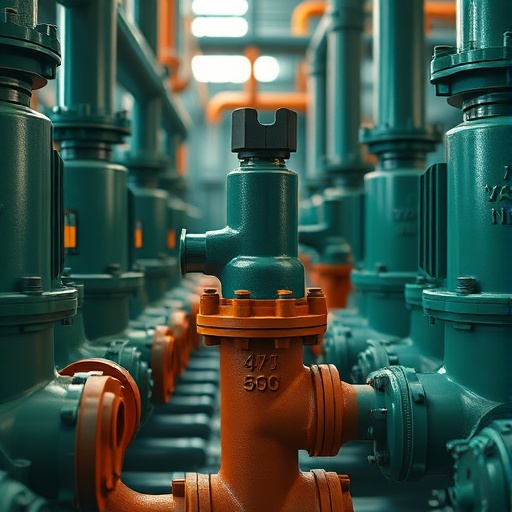
Recent advances focus on enhanced rubber formulations that extend temperature and chemical resistance. New molding techniques produce duckbill valves with tighter tolerances for critical pressure applications. Some designs incorporate sensors that transmit real-time flow data to control rooms. Manufacturers test hybrid materials that combine rubber flexibility with polymer strength for extreme conditions. Duckbill check valve prototypes now handle higher volumes without increasing overall footprint. These developments address demands from waterworks and industrial users seeking longer service life. Field trials confirm improved sealing under variable pressure cycles. Continued refinement targets reduced head loss while maintaining instant closure response. The pace of innovation positions duckbill valves as core elements in next-generation fluid systems.
Customizable Solutions for Specific Needs
Customization allows duckbill check valve specifications to match exact pipe diameters and pressure ratings. Engineers request modified lip thicknesses to fine-tune opening thresholds for low-flow pumps. Color-coded jackets aid quick identification during maintenance in complex piping networks. Manufacturers produce short-run batches for specialized wastewater or chemical service. Clients provide operational data that guides material selection for optimal durability. This approach minimizes over-engineering while ensuring reliable performance. Custom duckbill valves integrate directly with existing pump flanges without adapters. The flexibility supports rapid prototyping and deployment for unique project requirements. End users gain precise control over volume and pressure without compromising on valve longevity.
Future Trends in Fluid Control with Duckbill Check Valves

Sustainability and Eco-friendliness
Sustainability goals drive adoption of duckbill check valve products made from recyclable rubber compounds. Reduced material waste during manufacturing lowers the environmental footprint compared to metal valve production. Energy savings accumulate because efficient flow control decreases pump power consumption over time. Waterworks operators track lower leakage rates that conserve treated water resources. Eco-friendly formulations maintain performance while meeting stricter disposal regulations. Duckbill designs require fewer replacement cycles, cutting landfill contributions from worn components. Industry reports highlight these valves in green infrastructure projects worldwide. The combination of durability and minimal maintenance supports broader environmental objectives in fluid management.
The Impact of Advanced Manufacturing Techniques
Advanced manufacturing techniques such as precision injection molding improve consistency in duckbill check valve production. Automated inspection systems detect microscopic defects before valves enter inventory. Additive methods enable rapid creation of prototype geometries for testing under real pump conditions. These processes reduce lead times for custom orders while maintaining high quality standards. Manufacturers leverage data analytics to refine rubber blends based on field performance metrics. The result includes valves that handle greater pressure ranges with smaller physical sizes. Piping contractors benefit from faster availability of specialized duckbill units. Continued progress in manufacturing promises even more capable fluid control solutions tailored to evolving industry needs.
See Also
- The Science Behind Duckbill Check Valves and Their Pressure Regulation
- Exploring the Versatility of Duckbill Valves in Various Industries
- A Deep Dive into Duckbill Valve Designs and Their Advantages
- Troubleshooting Common Issues with Duckbill Check Valves
- The Essential Guide to Choosing the Right Duckbill Check Valve for Your Project